
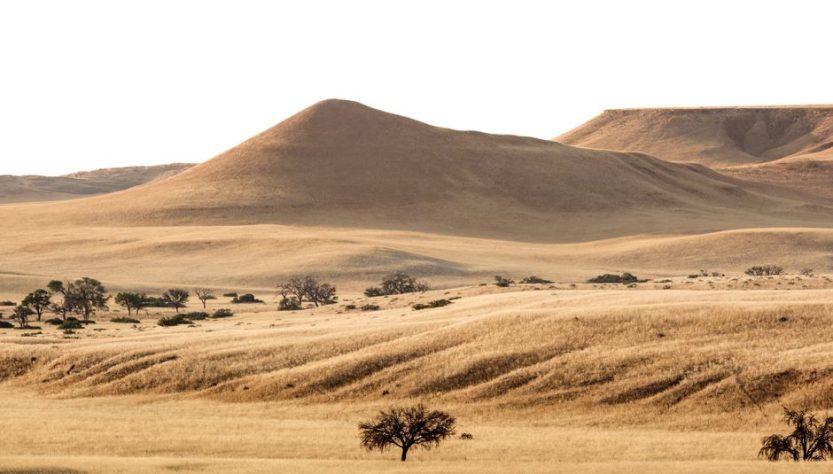
Is May a smart time to visit Namibia, or will the weather leave you cold at sunrise and disappointed at the waterholes? Picture a first-time self-drive traveler arriving at Sossusvlei with limited daylight, a long gravel-road transfer ahead, and a wildlife schedule built around assumptions rather than actual seasonal conditions. May can be an excellent month, but it rewards travelers who plan for cool mornings, changing road conditions, and large distances between major sights.
Is May the best month for Namibia?
What the weather feels like
May marks the shift from Namibia’s wet season toward the dry winter pattern. Rain usually becomes less frequent, skies often clear, and the landscape can still hold patches of green after the summer storms. Daytime temperatures in central and southern areas commonly sit around 20 to 30 degrees Celsius, while desert mornings can fall close to single digits. The contrast is sharp: you may leave your lodge in a fleece before sunrise and remove two layers by lunchtime.
The Namib Desert stays dry, but the road to a viewpoint can still become rough after an earlier storm. A clear forecast for Windhoek does not guarantee dry tracks near Etosha or Damaraland. Check local conditions for each region rather than relying on one national weather app.
What May does better than peak winter
May offers a useful middle ground. The heat is less punishing than the hottest summer months, vegetation has not always turned fully brown, and daylight remains long enough for a full morning drive plus an afternoon activity. Visitor numbers can be lower than during the June-to-October high season, which may make popular viewpoints and campsites easier to manage.
Bottom line: May is the best choice for travelers who want desert scenery with a chance of greener landscapes and can handle cold starts. July and August offer a stronger waterhole pattern for wildlife, while January and February offer better odds of dramatic thunderstorms and newborn animals.
Where are Namibia’s best wildlife sightings in May?
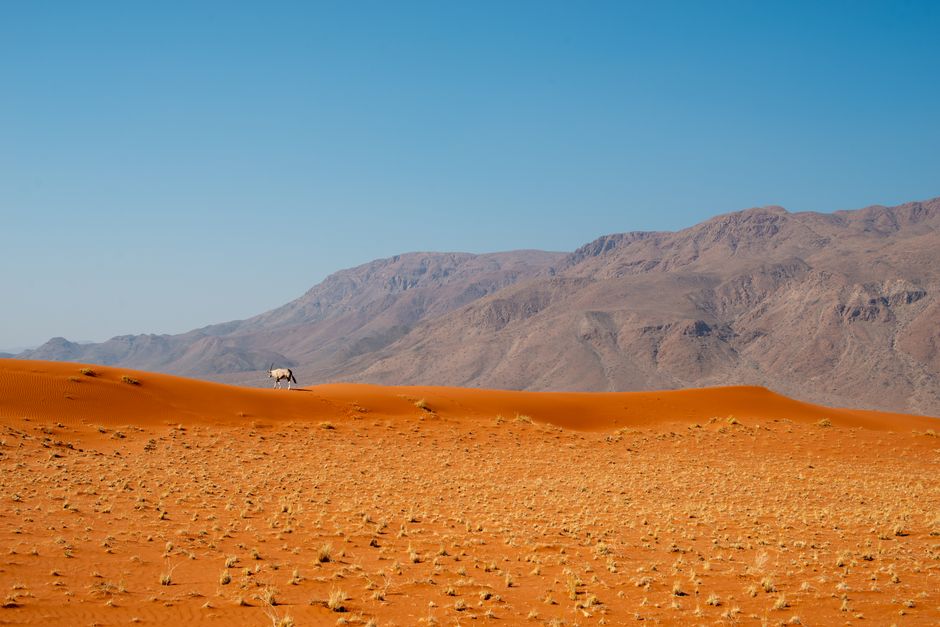
Etosha works through water, not luck
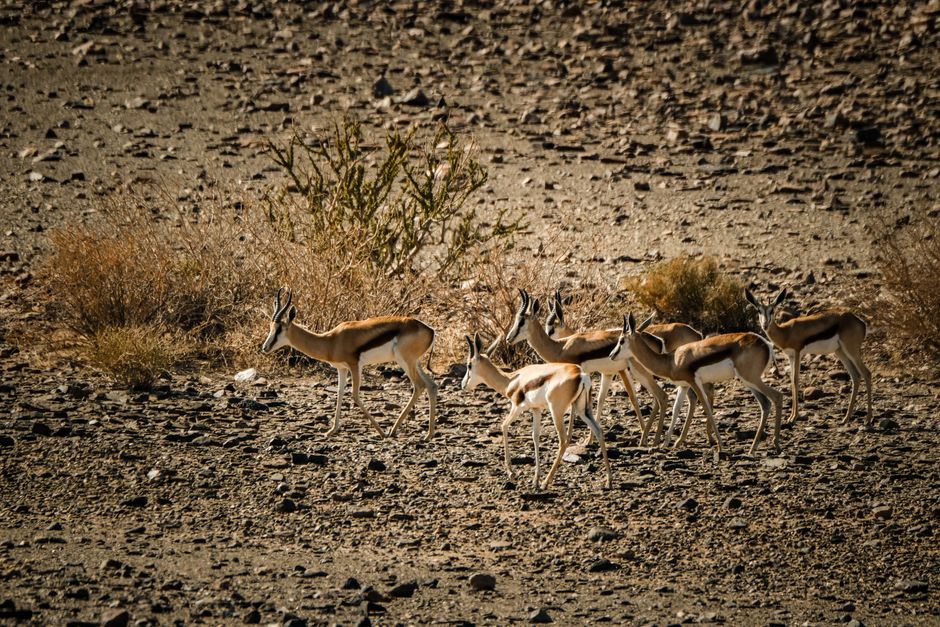
May wildlife viewing improves as surface water becomes less reliable, but Etosha is not a guaranteed animal parade. The strongest strategy is to drive slowly between known waterholes, arrive early, pause without engine noise, and return at different times of day. Elephants, zebra, giraffes, wildebeest, springbok, and several antelope species are realistic targets. Lions may appear near prey routes, while rhinos are more often seen around quieter water points after dark or at dawn.
Match the habitat to the animal
| Area | Best May focus | Practical timing |
|---|---|---|
| Etosha National Park | Waterholes, elephants, zebra, giraffe, lion, rhino | First 3 hours after opening and late afternoon |
| Damaraland | Desert-adapted elephant, oryx, rocky scenery | Morning drives with a local guide |
| Caprivi Strip | Birdlife, hippo, crocodile, elephant near waterways | Boat trips and early drives |
| Namib-Naukluft | Oryx, springbok, ostrich, desert landscapes | Sunrise and the final two hours before sunset |
Etosha is the clearest choice for a first safari because roads and waterholes make independent viewing manageable. Damaraland is better for people who value rare landscapes and specialist guiding over a long list of species. The Caprivi Strip adds water-based wildlife but requires a longer route and a different trip rhythm.
Bottom line: Choose Etosha for the best balance of access and wildlife density. Add Damaraland when desert-adapted animals and geological scenery matter more than ticking off every major safari species.
What should you budget for a Namibia trip in May?
The honest cost categories
The biggest expense is rarely one spectacular activity. It is the stack of vehicle rental, fuel, accommodation, park fees, food, transfers, and insurance excess. Compare the full trip total, not a low daily rental headline. A cheap vehicle with a high tire or accident excess can cost more than a better-equipped 4×4 if something goes wrong on gravel.
| Cost category | What changes the total | Cost-control decision |
|---|---|---|
| Vehicle | 2WD versus 4×4, automatic transmission, camping setup | Choose 4×4 for remote gravel routes, not for prestige |
| Fuel | Long distances, soft sand, roof loads, detours | Refuel whenever a reliable station is available |
| Lodging | Park camps, guesthouses, lodges, meal plans | Mix one splurge night with simpler stops |
| Insurance | Tire, windscreen, underbody, and excess coverage | Read exclusions before accepting the cheapest quote |
Fees that can quietly damage the budget
Some travel cards advertise no annual fee but charge a foreign transaction fee of 1% to 3%. Others apply a purchase APR around 20% to 30% if the balance rolls over. That interest can erase the savings from a discounted lodge rate. Pay the balance in full when possible, and keep a separate emergency reserve for tires, towing, or an extra night after a delayed transfer.
A rental agreement may also apply an excess for damage, tire replacement, glass, or recovery. The exact amount varies by company and vehicle, so ask for those figures in writing before paying a deposit. This is not financial advice. It is a reminder to compare the complete cash cost of the trip, including fees that do not appear in the headline price.
Bottom line: The financially sensible May trip is the one with a realistic vehicle, fuel, and emergency budget. A lower advertised rate is not a saving if the insurance exclusions are severe.
What mistakes ruin a May Namibia itinerary?
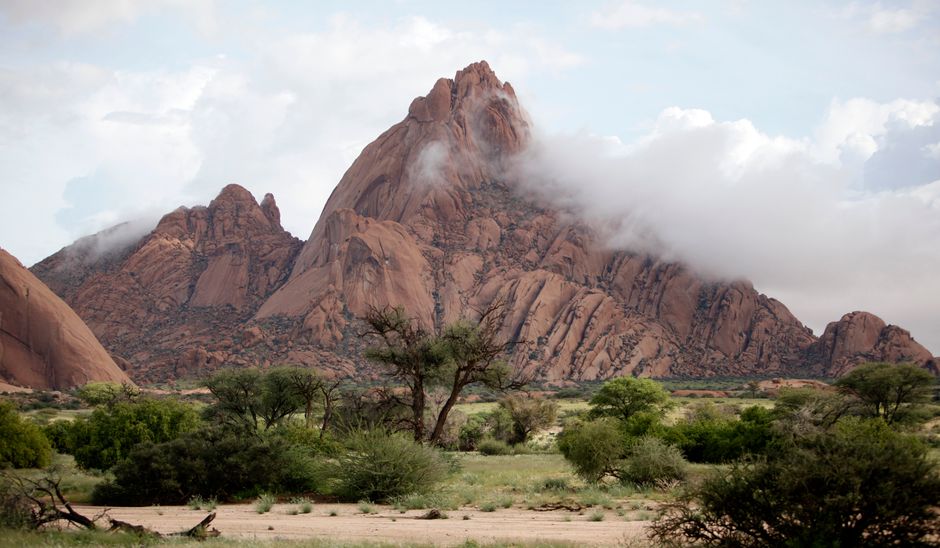
Five failure modes to avoid
- Overloading the route: Driving from Etosha to Sossusvlei in one ambitious stretch leaves no margin for wildlife stops, road delays, or fatigue.
- Underestimating cold: Desert mornings in May can feel harsh in an open vehicle. Pack a warm layer where you can reach it, not at the bottom of a suitcase.
- Ignoring fuel gaps: A half tank is not a comfortable reserve on long gravel sections. Top up before leaving a major settlement.
- Driving too fast on gravel: Speed increases puncture, skid, and windscreen risk. Slow down for corrugations, animals, blind crests, and oncoming traffic.
- Expecting every drive to produce a sighting: Wildlife moves. A quiet waterhole is normal, not proof that the park failed.
When not to choose a self-drive
Do not choose an independent 4×4 trip if you dislike long driving days, cannot change plans after a breakdown, or want a guide to identify birds and animal tracks. A small-group safari or guided lodge circuit costs more, but it transfers navigation, recovery, and much of the wildlife interpretation to someone else.
Also avoid a remote camping itinerary after heavy rain unless local operators confirm road access. A route can be famous, open on a map, and still unsuitable for a lightly equipped vehicle. The best alternative is a shorter lodge-based trip with fewer transfers.
Bottom line: The most expensive mistake is not paying for a guide. It is choosing a remote route that exceeds your driving confidence and recovery plan.
Namibia in May: common questions answered
Is May too cold for a safari?
No. Afternoon conditions are often comfortable, but early drives can be cold, especially in open vehicles and desert areas. A fleece, light insulated jacket, trousers, and gloves for sunrise are more useful than heavy winter clothing. The same day may require sun protection by midday.
Will I see wildlife in Etosha in May?
Yes, but no responsible itinerary can promise a specific animal. May can produce strong sightings of zebra, springbok, giraffe, elephant, and several predators. Spend two or three nights, use different waterholes, and give each stop time. A rushed single-day visit creates the weakest odds.
Is May better than October?
May is usually more comfortable for driving and can show greener scenery after the wet season. October often offers a stronger dry-season waterhole pattern but brings more heat and greater pressure around scarce water. Choose May for balanced conditions; choose October for a more intense late-dry-season safari experience.
For the desert, May gives clear advantages: cooler walks, manageable dune visits, and less punishing midday heat than the hottest months. For birding, the answer is less simple because some migratory species may be easier to find earlier in the wet season.
Bottom line: May is a strong all-round month, not a guaranteed best month for every goal. It is especially good for travelers who want wildlife, dunes, and a manageable driving climate in one trip.
Should you visit Namibia in May?
The final comparison
| Travel priority | Best May decision | Why |
|---|---|---|
| Desert scenery | Choose Sossusvlei and Namib-Naukluft | Cooler sunrise visits and clear landscape photography conditions |
| First safari | Choose two or three nights in Etosha | Waterholes and established roads make self-drive viewing practical |
| Remote adventure | Add Damaraland with local guidance | Better access to desert-adapted wildlife and rougher terrain knowledge |
| Short holiday | Limit the trip to two regions | Less fatigue, lower fuel exposure, and more time at each stop |
The compressed verdict
Visit Namibia in May if you want a single trip that combines desert landscapes, comfortable daytime temperatures, and a credible chance of wildlife without the full heat of summer. Build around two or three regions, start drives early, carry layers, and treat gravel-road time as part of the experience rather than wasted time.
Choose July through September instead if your main goal is the highest concentration of animals around shrinking water sources and you accept higher demand. Choose the wet-season months if thunderstorms, greener scenery, and migratory birdlife matter more than predictable road conditions.
May is not a bargain by default, and it is not a magic wildlife window. It is a well-balanced month for travelers who plan the distances honestly and leave room for the desert to set the pace.